


Aluminum extrusion surface finish standards?

Aluminum extrusions often show unwanted marks or rough textures. These surface flaws not only lower the product’s appeal, but may also affect customer satisfaction and downstream usage.
Aluminum extrusion surface finish standards define how clean, smooth, and defect-free an extruded profile should be, both visually and functionally.
Clear surface finish standards build trust, help reduce rejection rates, and support smoother international trade. The rest of this article breaks down finish types, how we inspect quality, which standards matter, and whether the finish changes strength.
What are common finish types for extruded aluminum?
Aluminum parts without surface treatment can corrode or look unprofessional, especially in high-end or exposed applications.
The most common finishes are mill finish, anodizing, powder coating, painting, brushing, and polishing. Each serves different use cases and offers unique protection levels.
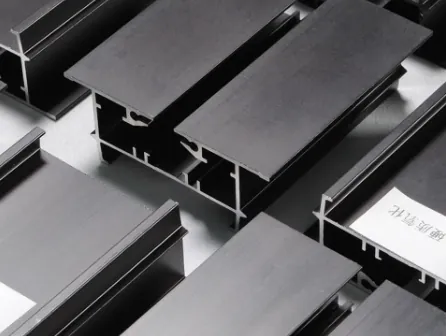
Common finish options explained
Aluminum is naturally reactive. Once exposed to air, it forms a thin oxide layer. But that layer is not always strong or uniform. Surface finishes enhance the oxide or cover it with protective or decorative coatings. Below are the most used options:
| Finish Type | Visual Effect | Protection Level | Typical Application |
|---|---|---|---|
| Mill Finish | Dull, gray, tool marks | Low | Hidden parts, internal structures |
| Anodized | Matte, metallic sheen | Medium–High | Window frames, solar frames, facades |
| Powder Coat | Smooth, solid color | High | Railings, signs, building components |
| Brushed | Linear grain, matte finish | Medium | Trims, fixtures, display panels |
| Polished | Reflective, shiny | Low–Medium | Decorative or indoor visible parts |
| Painted | Glossy or custom tones | Medium | Custom branding or matching color themes |
Key factors influencing choice
The selection of a finish depends on:
- Where the product will be used (indoors vs outdoors)
- Required appearance
- Need for corrosion resistance
- Cost and volume expectations
- Lead time and availability
For structural projects, like curtain walls or solar panel frames, anodizing is preferred. Powder coating is ideal when both color and protection are required. Decorative items often use brushing or polishing.
Mill finish is typically the most protective aluminum finish available.False
Mill finish offers the least protection because it is untreated and vulnerable to corrosion.
Anodized aluminum has better corrosion resistance than mill finish.True
Anodizing thickens the oxide layer on aluminum, offering superior corrosion protection.
How is finish quality measured in production?
Customers expect consistency, but surface finish can vary across batches if not properly monitored.
Finish quality is measured by coating thickness, visual uniformity, surface roughness, color match, and adhesion strength. These are tracked using instruments and manual inspection.

Core inspection metrics
Aluminum finish quality includes both physical measurements and visual standards. Factories use a mix of tools and trained personnel to assess:
| Metric | Description | Tools Used |
|---|---|---|
| Coating Thickness | Layer depth of anodize or paint | Eddy-current or magnetic gauge |
| Surface Roughness (Ra) | Smoothness measured in microns | Profilometer or touch probe |
| Color Uniformity | Match with sample under fixed lighting | Visual or spectrophotometer |
| Gloss Level | Shine level for polished or coated surfaces | Gloss meter |
| Adhesion Strength | How well the finish bonds to aluminum | Tape test or crosshatch test |
| Visual Defect Count | Marks, pits, streaks, or uneven appearance | Manual inspection under fixed light |
Inspection process during production
Most facilities use random sampling based on order size. Visual checks often cover 100% of the product, while thickness and roughness may be tested on every 500–1000 kg.
Inspectors follow standard lighting and angles to find defects. Coating thickness and Ra values are logged and reviewed. Variations can happen due to operator handling, inconsistent cleaning, or machine wear.
Maintaining consistency
To maintain standards, quality teams:
- Calibrate tools regularly
- Train staff on standard defect thresholds
- Use control charts to track trends
- Set limits for acceptable deviation
- Compare with standard finish samples
When defects exceed limits, the batch may be reprocessed, rejected, or offered with a discount. Proper inspection avoids costly returns and protects long-term supplier relationships.
Coating thickness is checked visually without instruments.False
Coating thickness must be measured with proper gauges to ensure accuracy.
Surface finish inspections include both visual checks and numerical tests.True
Finish inspections involve visual observations and tools that measure roughness, thickness, and adhesion.
Are there global standards for surface appearance?
Disputes about finish quality are common when buyers and factories use different reference points.
Yes, organizations like ISO and ASTM publish surface finish standards for aluminum extrusions, covering defects, tolerances, and finish classifications.

Examples of applicable standards
| Standard | Organization | Key Focus Areas |
|---|---|---|
| ISO 7599 | ISO | Anodizing thickness and surface quality |
| ISO 2768 | ISO | General tolerances for surface appearance |
| ASTM B921 | ASTM | Specification for anodized aluminum |
| EN 755‑9 | EU/ISO | Dimensional and visual tolerances for extrusions |
How standards are used
Global buyers often reference standards in their drawings or contracts. A spec might say: “Finish per ISO 7599 Class AA15.” That means the anodizing must be at least 15 microns thick and meet surface appearance limits.
Standard documents define:
- Maximum allowable scratches or pits
- Gloss range for coatings
- Tolerance for coating thickness
- Surface roughness limits (if required)
- Inspection procedures
These definitions help avoid vague terms like “smooth” or “clean,” which vary by culture or experience.
Limitations and workarounds
Many standards allow small marks if they don’t affect function. For critical parts, buyers often add custom specs like: “No visible defects at 1-meter distance in daylight.” That sets a stricter bar.
Some companies also keep reference panels — actual aluminum samples with accepted finish — for side-by-side comparison.
While global standards help, they may need supplements to meet branding or appearance goals in specific industries.
ISO and ASTM do not have standards for aluminum surface finish.False
Both ISO and ASTM have well-known standards for aluminum finishes, including anodizing and extrusion appearance.
Buyers can request custom surface finish specs beyond international standards.True
Custom specs are often added to ensure parts meet strict visual or branding expectations.
Can finishes affect structural properties?
Some people worry that surface finishes might weaken aluminum or cause hidden damage.
Finishes affect surface performance like corrosion resistance or wear, but usually do not reduce core strength when applied correctly.

Structural impact of different finishes
Surface treatment adds protection but may also affect how aluminum reacts under stress or exposure. Here’s how:
- Anodizing: Adds a hard oxide layer that resists corrosion and wear. It does not change bulk strength but may improve fatigue resistance slightly.
- Powder coating: Forms a thick, bonded plastic-like shell. If overcured, heat could soften some alloys, but good process control avoids that.
- Painting: Adds minimal protection, does not affect structure.
- Polishing or brushing: Removes a thin layer of surface. If overdone, it may create micro-notches which can act as stress risers.
How finishes protect structure
Good finishes:
- Block corrosion, which weakens joints over time
- Reduce friction and wear, especially in moving parts
- Prevent oxidation that leads to surface pitting
Poor finishes or defects in coating can trap moisture or chemicals. That can speed up corrosion, especially in marine or industrial environments.
What to avoid
- Applying finishes on poor-quality extrusions
- Curing powder coats at wrong temperature
- Failing to inspect for hidden cracks before coating
- Using abrasive polishing on load-bearing parts
For best results, surface finish should be part of structural planning, not an afterthought. Some finishes, like anodizing, improve surface hardness without adding weight. Others, like powder coat, offer protection but need thermal control.
Powder coating improves surface hardness and corrosion resistance but can affect aluminum strength if cured incorrectly.True
Excessive heat during curing can alter temper in some aluminum alloys, especially thin profiles.
All surface finishes increase the core strength of aluminum parts.False
Most finishes improve surface behavior but do not affect the aluminum’s internal mechanical properties.
Conclusion
Understanding finish standards helps ensure your aluminum extrusions meet both visual and performance goals. By selecting the right surface treatment, measuring it properly, and following global standards, you can deliver reliable and appealing products every time.


